
Reducing Ettore Sottsass (1917-2007) to a univocal identity is anything but a simple undertaking. Painter, graphic designer, publisher, photographer, and a key figure in 20th-century Italian design and architecture, Sottsass spanned the last century with a critical gaze, seemingly disenchanted, but actually engaging and sensitive.
Pistoia is dedicating a comprehensive retrospective to the famous architect, entitled I Am an Architect, until July 26, 2026. Ettore Sottsass, curated by Enrico Morteo, promoted and organized by the Pistoia Museums Foundation and the Caript Foundation with Electa and Fondamenta – Foundation for the Arts and Culture of the publishing house, with the main partnership of Intesa Sanpaolo and in collaboration with the Communications Study Center and Archive (CSAC) of the University of Parma and the participation of Studio Ettore Sottsass Srl, the Vittoriano Bitossi Foundation, the Poltronova Study Center for Design, and the Casa Mollino Museum.
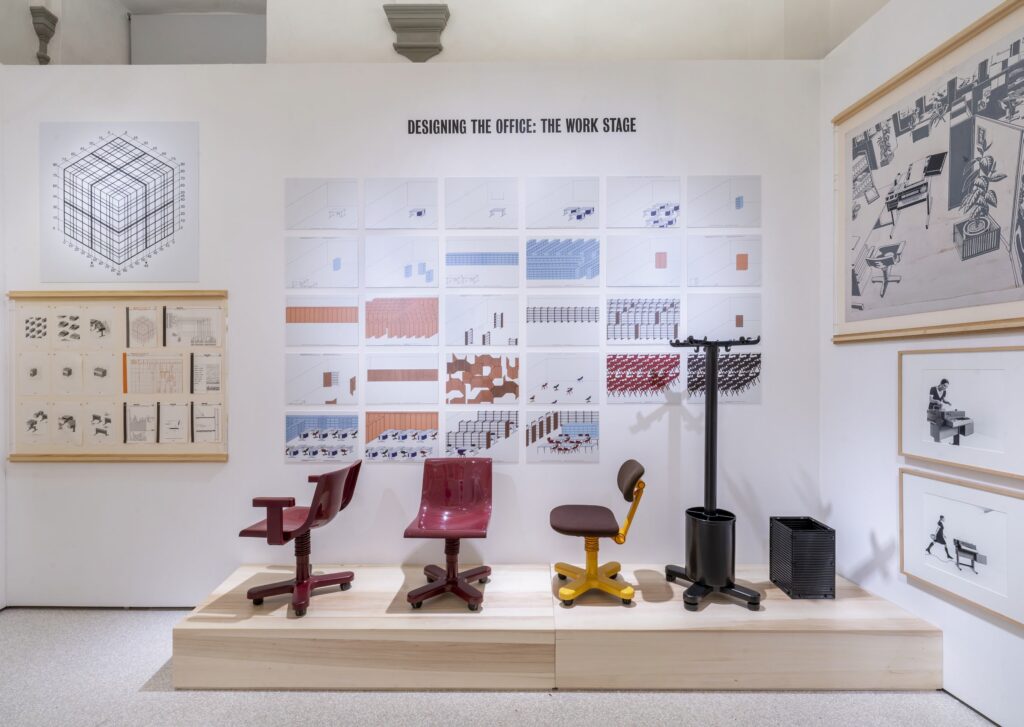
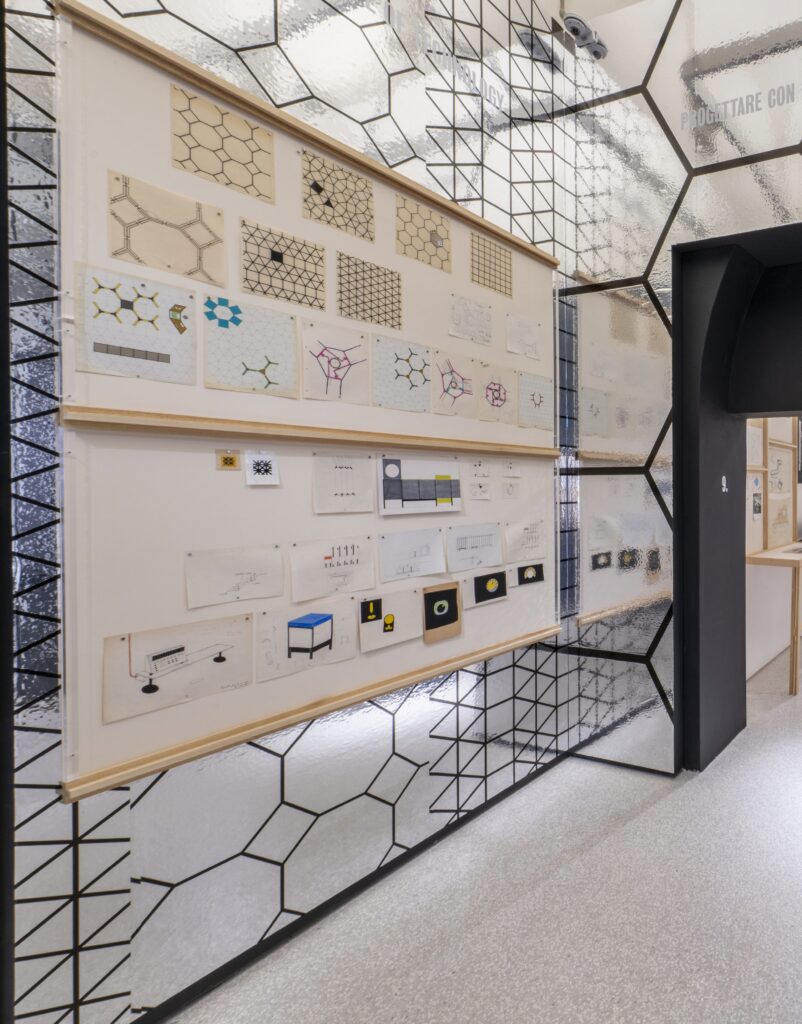
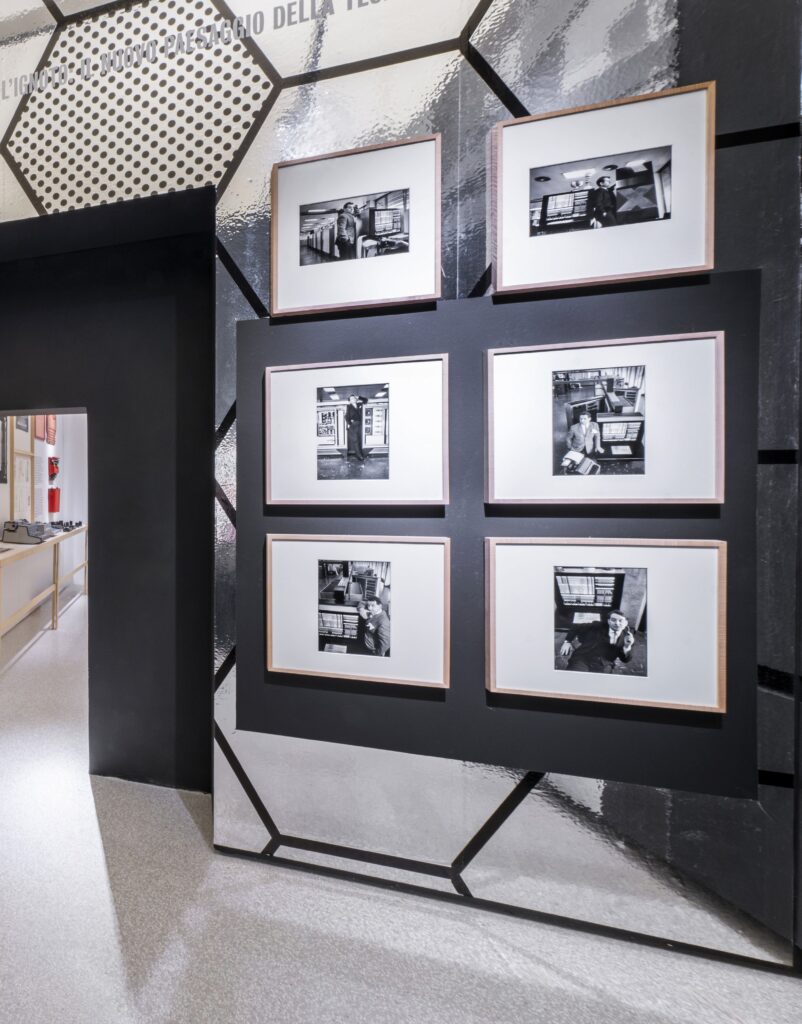
The exhibition, sponsored by the Region of Tuscany, the Municipality of Pistoia, and the Order of Architects, Planners, Landscape Architects, and Conservationists of the Province of Pistoia, presents over 1,400 works—drawings, plans, photographs, documentary materials, and design objects—spanning approximately thirty years, from the immediate postwar period to the mid-1970s (1945-1975), a period during which Sottsass’s relationship with Tuscany was most intense.
The project is part of the Fondazione Pistoia Musei’s program, directed by Monica Preti, dedicated
to the figures and movements of the twentieth century and contemporary art who have intertwined their work with the territory and cultural context of Pistoia—from the experiences of Michelangelo Pistoletto and Daniel Buren to the reinterpretation of Italian Pop Art. In this trajectory, the Sottsass exhibition represents a further chapter in the investigation of design as a human experience, in which form, color, and emotion become tools for rethinking the relationship between the individual and the world.
The exhibition’s title, I am an architect, echoes a statement by Sottsass himself that emphasizes his profound commitment to designing and building the relationship between the fragility of each individual and the infinite order of the cosmos.
The exhibition’s core is built around documents, many of which are previously unpublished, preserved in the rich collection entrusted by Sottsass himself to the Communication Study Center and Archive (CSAC) of the University of Parma. These documents are supplemented by loans from the Vittoriano Bitossi Foundation, the Poltronova Design Study Center, public institutions, and private archives and collections, including: the Fulvio Ferrari Collection, Turin, the Olivetti-Ivrea Historical Archive Association, the Ugo Mulas Archive, the La Triennale di Milano Foundation, the Iuav University of Venice – Project Archive, the Civic Photographic Archive of the City of Milan, the Pecci Center in Prato, the Antonia Jannone Architectural Drawings, and the Domus Archives.
In the vast majority of cases, these are papers, worksheets, and study papers, each of which does not exhaust the completeness of a thought or project, but which taken together reflect the development of a research project. These are accompanied by some rarely exhibited jewels and aluminums inspired by the American lifestyle as depicted in Hollywood films. These objects testify to the evolution of a language that, when it encountered Tuscan terracotta, would influence the idea of contemporary ceramics. And then there are objects that have made the history of international design. Although it stops at the threshold of the postmodern trend, the exhibition displays the richness of its premises, clearly revealing the illusions of a modernist, positive and optimistic future, which in the end did not materialize. Of this landscape of illusions and disenchantment, of hopes and mysteries, Sottsass was not only a clear witness, but a participating protagonist, a visionary architect capable of suggesting alternatives, proposing visions, and developing utopias—realities that were only possible but unattainable.
Ettore Sottsass’s cultural foundation was formed at the end of the Second World War, when he became aware of the intellectual and human defeat of a world that, seduced by the promises of technology and the future, had revealed its most ferocious aspects.
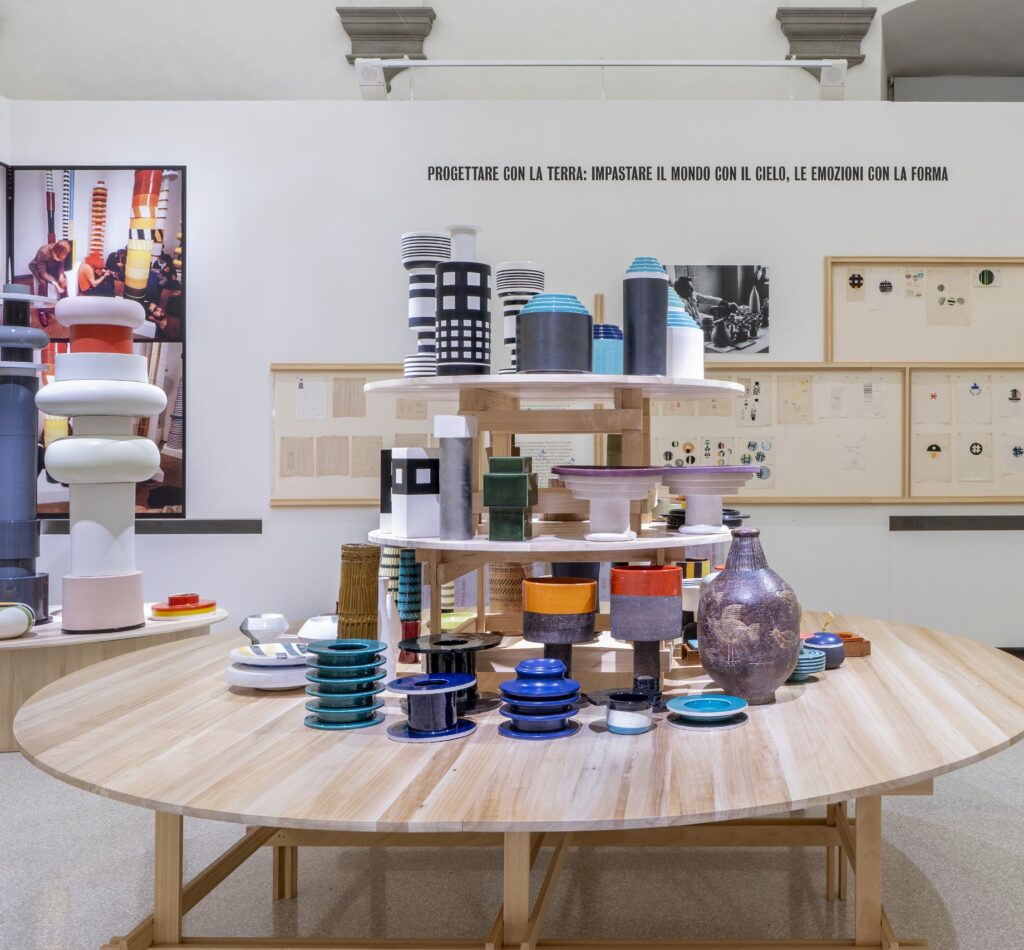
It is from this fracture that begins a quest destined to lead him away from the reassuring illusions of progress and from the prospect of a future society understood as an inevitable destiny. To the optimism of advertising, the efficiency of industry, and the false joy of consumption, Sottsass counters the exploration of elementary emotions, essential objects, and minimal spaces capable of accommodating uncertainties, hopes, fears, and desires.
Thus was born a path that prefers the strength of color to the rigor of function, breaking the cage of structures
through light, transgressing the rules in the name of emotion and recovering, in language, the poetry of symbols.
Light, color, gesture, and feeling become authentic materials of the project, tools for constructing an architecture made of places rather than spaces, of the individual rather than society, of tenderness rather than calculation.
Edited by Enrico Morteo
Photo courtesy of the Pistoia Museums Foundation. photo Ela Bialkowska, OKNOstudio
INFO Pistoia, Palazzo Buontalenti, Via de’ Rossi 7 until July 26, 2026
Hours: Wednesday-Sunday, 10:00 am-7:00 pm
Closed Mondays and Tuesdays
Tickets: Sottsass+ (exhibition + permanent collections of Pistoia Museums): full €12; reduced €9 – Exhibition only: full €10; reduced €7 – Under 18s and students €5
Info and reservations: pistoiamusei.it | info@pistoiamusei.it | T. 0573.974267
Facebook | Instagram | X | LinkedIn | YouTube | Spotify