
Born from the close institutional collaboration between the Marino Marini Foundation and the Municipality of Pistoia, curated by the same Foundation and made possible thanks to the support of the Caript Foundation, this exhibition project aims first and foremost to deliver to the people of Pistoia and all potential visitors an immersive and colorful selection of works by one of the greatest artists of the twentieth century, delving into one of the richest chapters in the artistic production of Marino Marini (1901-1980): that of painting.
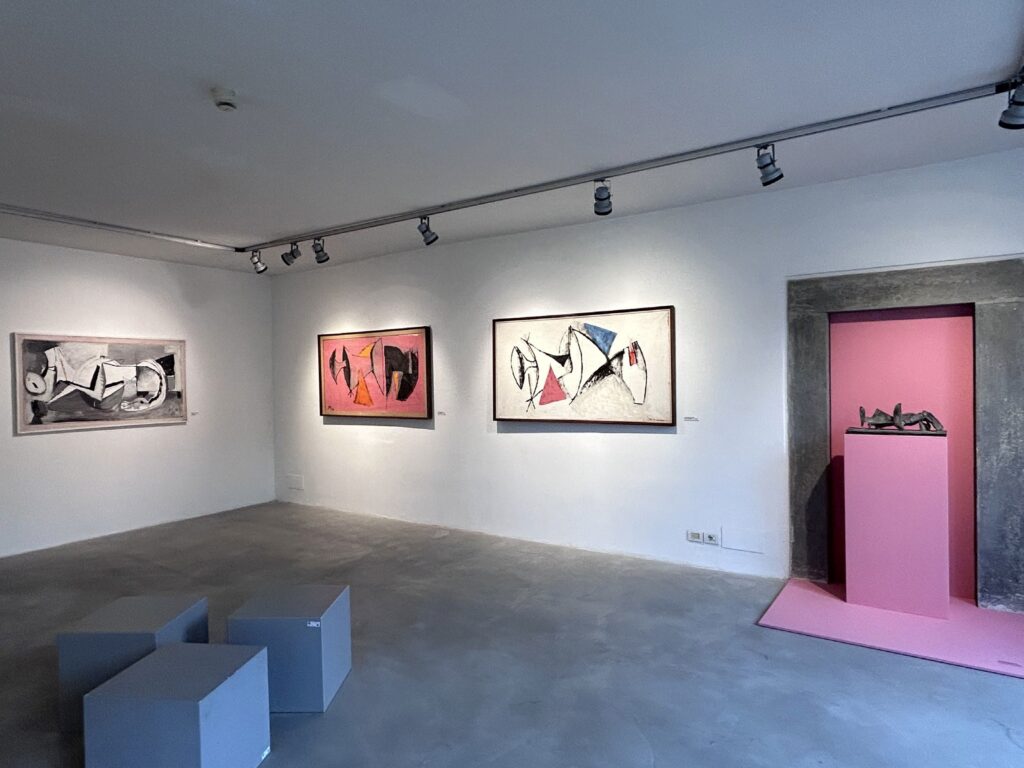
As happened in the autumn of 1987, at the time when the restoration work on the former Tau Convent was drawing to a close, acquired and restored by the Municipality of Pistoia to make it the permanent home of the “Marino Marini Documentation Centre” and to house the “Marino Marini Foundation“, this exhibition also focused on the pictorial work of the Master, remembered above all for his fertile activity as a sculptor.
The project also marks the beginning, and at the same time constitutes the shared framework, of a new season of dialogue and administrative reorganization in the relationship between the Marino Marini Foundation and the Municipality of Pistoia, which, together with the Caript Foundation and the Regional Directorate of National Museums of Tuscany of the Ministry of Culture, fully share the desire to ensure the most appropriate and effective forms of protection, study, and valorization of Marino Marini’s heritage of works and documents that Pistoia possesses. This is so true that, on December 1, 2025, they signed the “Pistoia Città di Marino” memorandum of understanding.
And the second floor of Palazzo Fabroni, in the heart of the historic center, with its windows overlooking diverse and contrasting views of the city, is the ideal venue for an exhibition that was also strongly desired to underscore Marino’s indissoluble bond with his birthplace.
The exhibition, however, was not a painter-sculptor like, for example, Pablo Picasso or Henri Matisse, who created sculptures to illuminate in the third dimension certain crucial turning points in their respective pictorial journeys. Nor was he a sculptor-painter like Alberto Giacometti, who developed his plastic idea in painting, taking it to its extreme consequences, beyond sculpture. Marino was, rather, an artist-sculptor who independently cultivated a parallel pictorial exploration, the same one that is offered to visitors to the exhibition here.
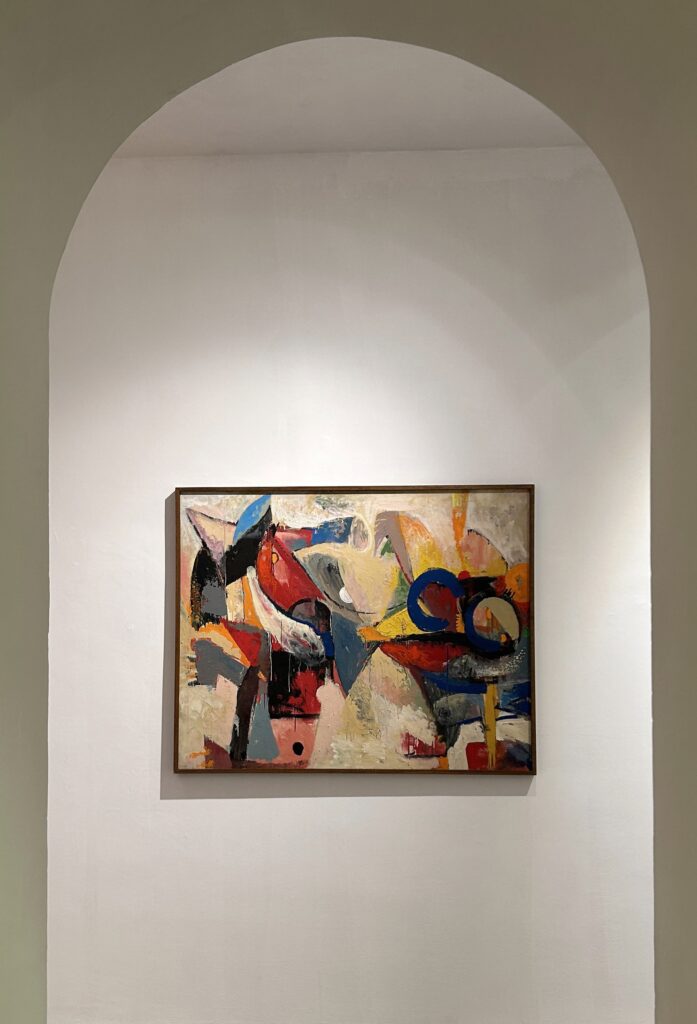
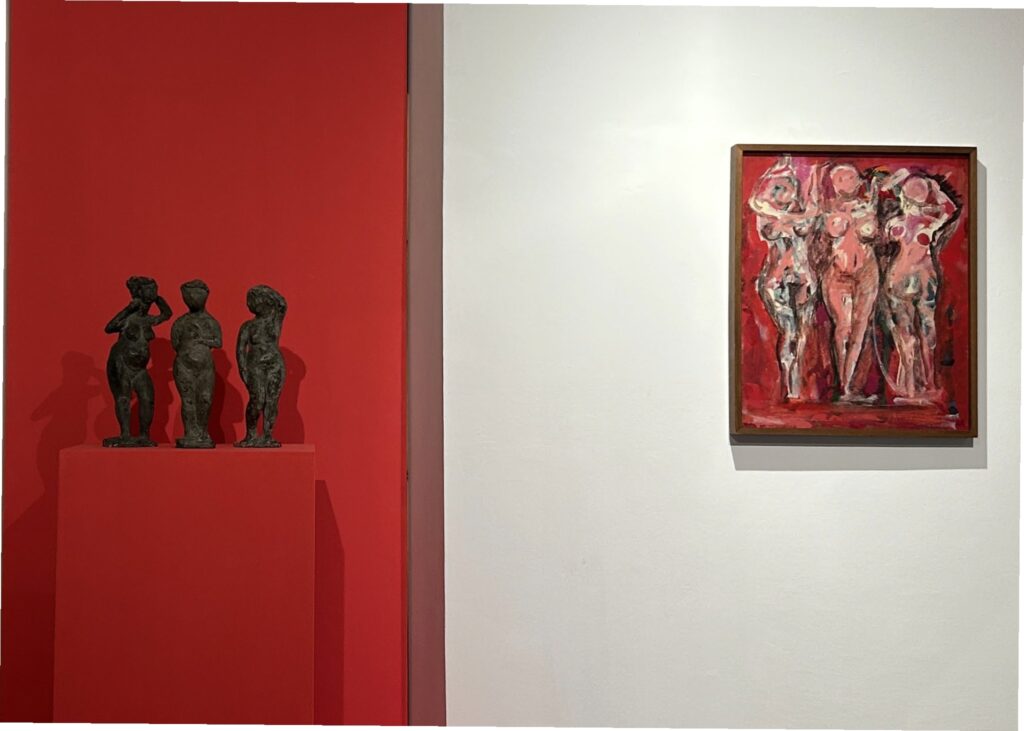
Marino’s painting style exhibits clear similarities to his sculpture: in his subjects (female nudes, knights, jugglers); and, above all, in his development of plastic themes in painting (the relationship between mass and surface, the suspension of figures in the atmosphere, the disarticulation of volumes). But his pictorial thought appears entirely autonomous and original: it is not a simple derivation from his sculptural thought.
In his figure paintings and portraits of the early 1930s, Marino courageously engaged with the highest strands of European anti-classicism. In his gouaches and post-war oil paintings, he tested, with extreme chromatic invention, the visual synthesis that would be applied to sculpture in the same years, often with results more advanced than those of his sculpture. The artist himself stated that his concept of the work originated from painting because the latter allowed for much freer synthesis, variations, emphasis, and eliminations than sculpture. In his pictorial production from the late 1950s to the 1960s, Marino conducted a reflection on form with results of absolute originality: these paintings, often of considerable size, combine the artist’s natural elegance of layout with aggressive and dissonant colors and extreme design inventions.
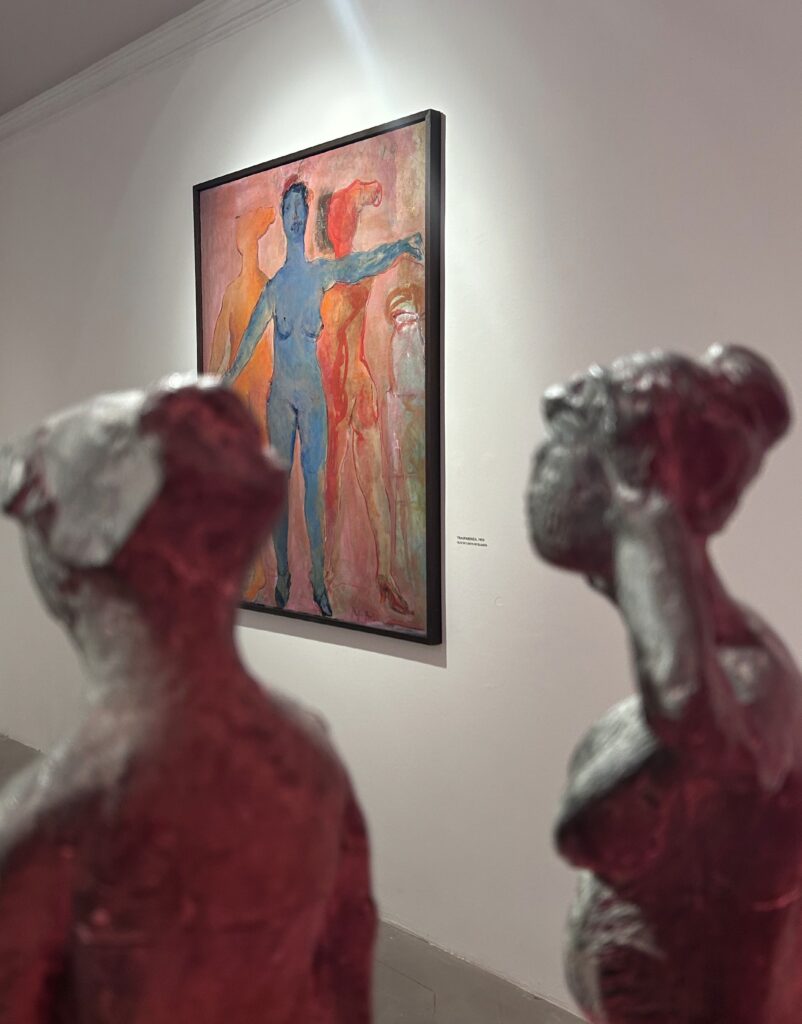
This final pictorial phase received significant contemporary public recognition (the presence of his paintings alongside his sculptures in the 1962 retrospective in Zurich; his first solo exhibition of paintings only in 1963) and established the image of a playful, reckless, even irreverent artist, capable of freeing himself from the plastic severity of the statue. This is a Marino who deserves careful rereading, especially today, in a time marked by the return of traditional painting technique, and its expressive possibilities, to the agenda of many artists of the most contemporary era.
Text by Marino Marini Foundation
Photo by Simone Martini
EXHIBITION HOURS
Winter (October 1, 2025 – June 2, 2026)
Tuesday to Friday 10:00 AM – 2:00 PM
Saturday, Sunday, and holidays 10:00 AM – 6:00 PM
Christmas and New Year’s Day 4:00 PM – 7:00 PM
Closed on Mondays
Summer (June 3 – September 30, 2026)
Tuesday to Friday 3:00 PM – 7:00 PM
Saturday, Sunday, and holidays
(July 25 and August 15) – 11:00 AM – 7:00 PM
Closed on Mondays
The ticket office closes 30 minutes early.